Rodent control and physical barrier exclusion in the Bakken oil basin addresses structural vulnerabilities created by rapid construction, sub-zero winters, and heavy soil shifting. When sustained freezing temperatures…
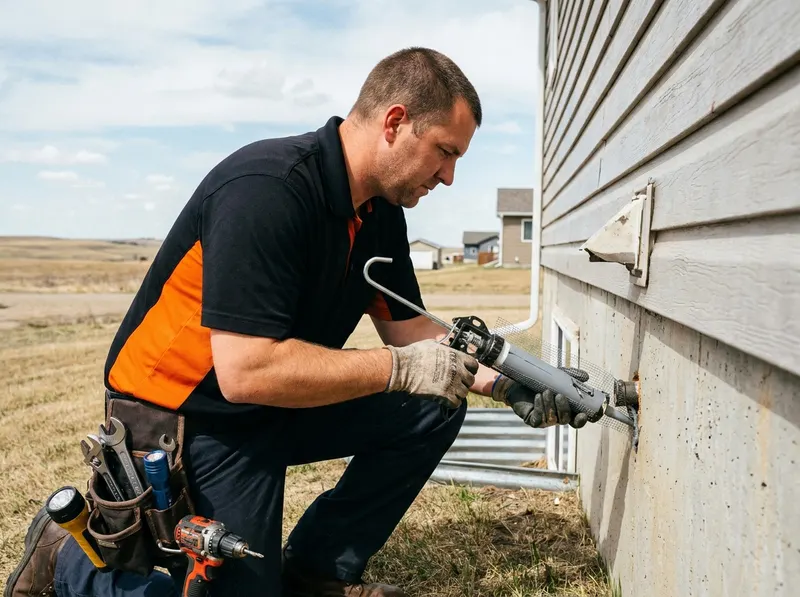
Rodent control and physical barrier exclusion in the Bakken oil basin addresses structural vulnerabilities created by rapid construction, sub-zero winters, and heavy soil shifting. When sustained freezing temperatures arrive in Williams County, rodents leave surrounding agricultural fields and dry prairie beds to exploit quarter-inch gaps around crawl-space access doors, utility conduits, and siding corners. In residential areas like Eagle Crest, Harvest Hills, and Fox Run, settling foundations frequently tear open silicone caulking around air-conditioner line sets and basement window frames, allowing deer mice to nest directly in fiberglass wall insulation. Modular crew quarters, such as the Bakken Cabins and properties throughout the Timbers and Sand Creek, face acute vulnerability underneath skirting panels where ground heave disconnects standard vent screens. Structural exclusion resolves these vectors by replacing chewable foam and rubber sweeps with 1/4-inch 23-gauge galvanized wire mesh, stainless steel wool escutcheons, and elastomeric masonry sealants that maintain elasticity down to -30°F.
Selecting permanent structural exclusion over ongoing poison bait boxes eliminates recurring infestations and prevents dead rodents from decaying within drywall cavities. Exterior rodenticides often fail to prevent entry during extreme winter storms because mice feed on indoor pantry goods rather than foraging outside in deep snow drifts. A mechanical knockdown approach inside living quarters relies on tamper-resistant snap-trap stations placed along baseboards and structural beams, avoiding rodenticides in proximity to indoor pets or food prep surfaces. For rental duplexes in Downtown Williston and multi-family homes in Wilshire, structural sealing creates a durable barrier that satisfies city habitation requirements and prevents landlord-tenant disputes regarding uncontained droppings or late-night drywall scratching. The operational trade-off requires upfront physical remediation instead of a rapid spray-and-leave service: full perimeter sealing requires daylight exterior labor and detailed ladder work around soffit intersections and roof junctions near Williston State College and the WesternND ARC Center.
Every structural exclusion service follows a concrete three-step sequence. Step one is a thermal and visual inspection to locate utility gaps, fractured pipe boots, crawl space hatch gaps, and interior runs where droppings congregate. Step two involves physical barrier installation: technicians anchor galvanized hardware cloth over exterior foundation vents, pack steel mesh behind HVAC flashing, and attach aluminum-backed sweep plates to exterior doors. Step three is interior population extraction using numbered, monitored mechanical traps placed along active rub runs, accompanied by a mandatory follow-up visit within 7 to 10 days to check traps, remove captures, and verify that zero structural breaches remain open.
Every job gets a firm, written price after a free on-site visit.
Tell us about your rodent control & structural exclusion job in Williston and we'll send a clear, written quote, usually the same day.
 Nolvexa Pest Solutions